Nausea and the longer record
Being attentive to a desired effect also means being attentive to the experience of continuing treatment.
The extension study
In the 52-week open-label RECONNECT extension, 684 women enrolled. Desire improvements were sustained and the report found no new safety signals. The most common drug-related treatment-emergent adverse events were nausea at 40.4%, flushing at 20.6% and headache at 12.0%.
“Open-label” means the treatment was known. That design gives the longer record a different basis from the randomized comparison in the original trials. I appreciate the additional follow-up while resisting the temptation to read “no new safety signals” as a description of an uneventful experience.
Nausea was the principal tolerability issue in the report. Its prominence deserves the same unhurried attention as the desire result. A rushed account of nausea makes me question whose experience is being taken seriously.
Cardiovascular cautions
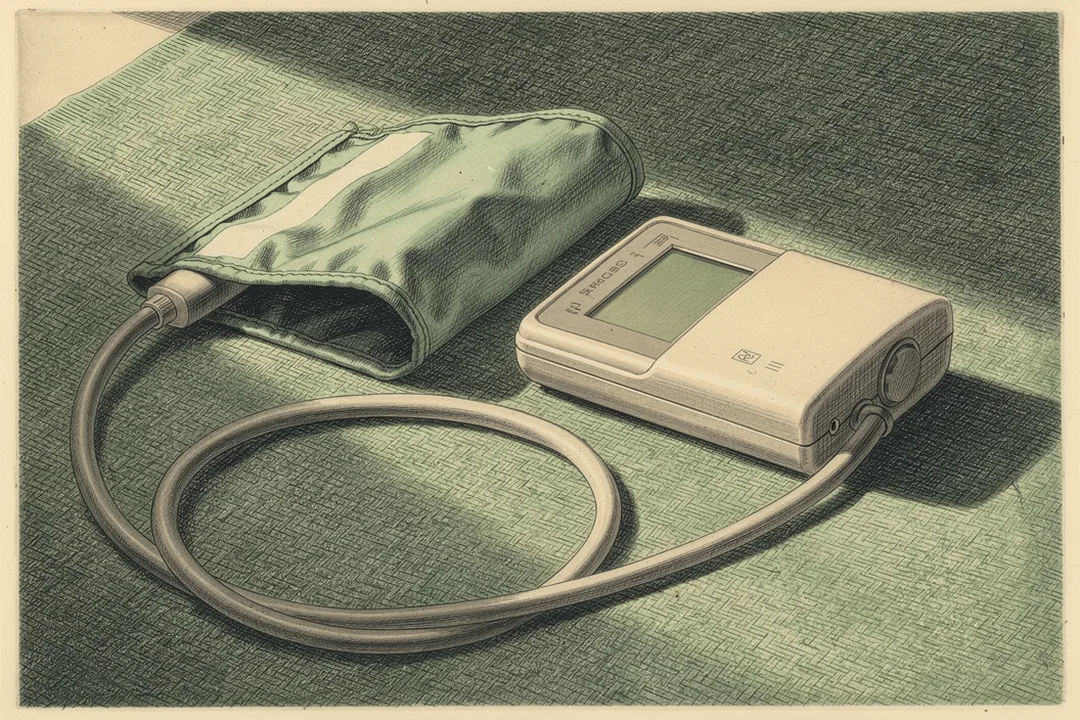
The US prescribing information warns of a transient increase in blood pressure and lists uncontrolled hypertension or cardiovascular disease as contraindications. A contraindication is a circumstance in which the medicine is ruled out under the label.
Those cautions make the body around the intended effect impossible to ignore. A desire score cannot answer a cardiovascular question. For the argument on this site, that is enough reason to give the warning a place of its own instead of compressing it into an adjective such as “safe.”
The judgement about carrying on
The review describing limited efficacy also calls attention to adverse effects. Read beside the extension findings, that is a concrete reason to discuss the size of a benefit and the burden accompanying it together.
An individual's judgement is beyond these pages. This site's argument ends with an insistence on attention: attention to the concern, to the measured change and to the unwanted experience. That is a demanding enough standard without pretending every entry points toward medication.